
Kick-off meeting at PLOCAN
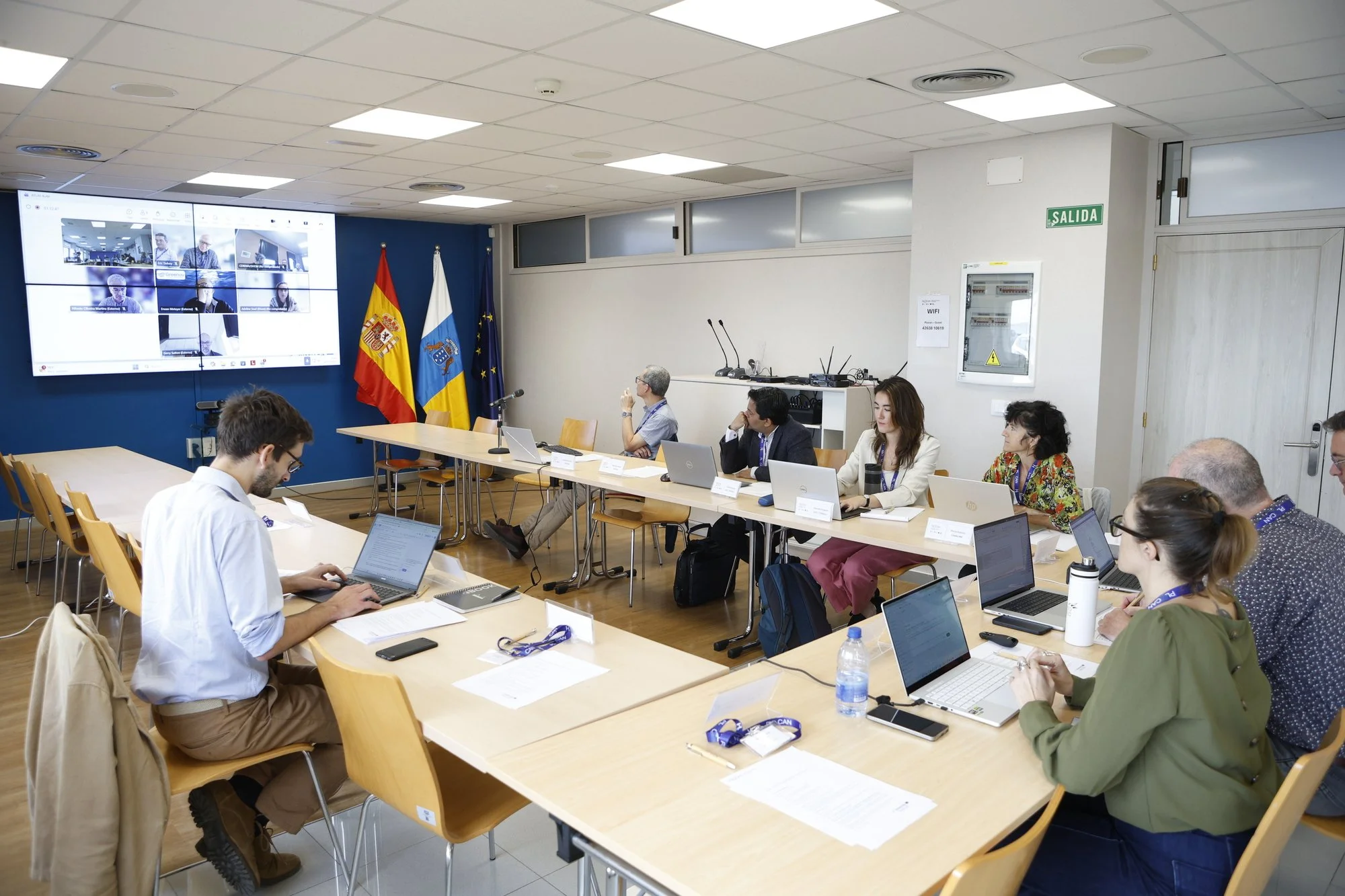
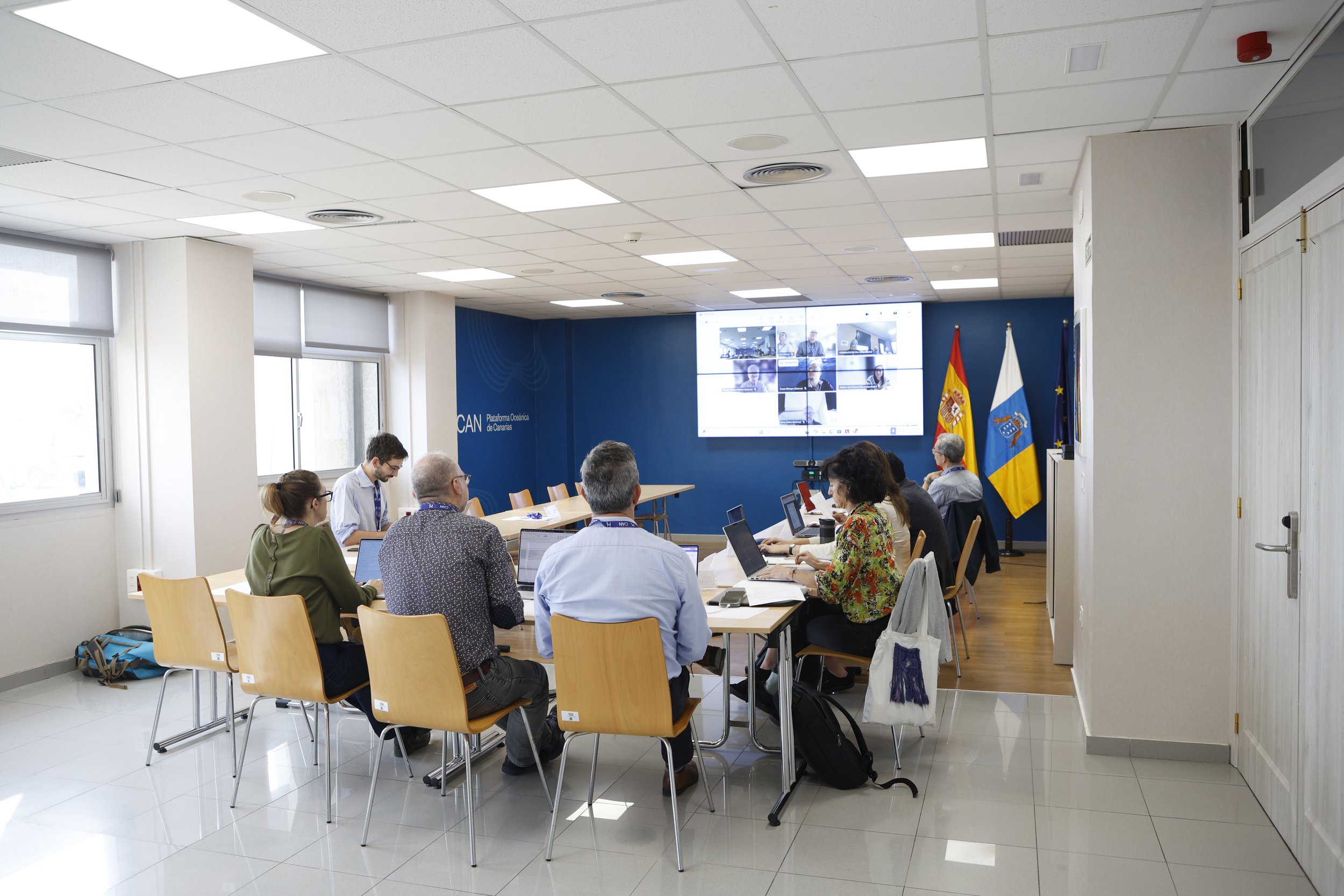
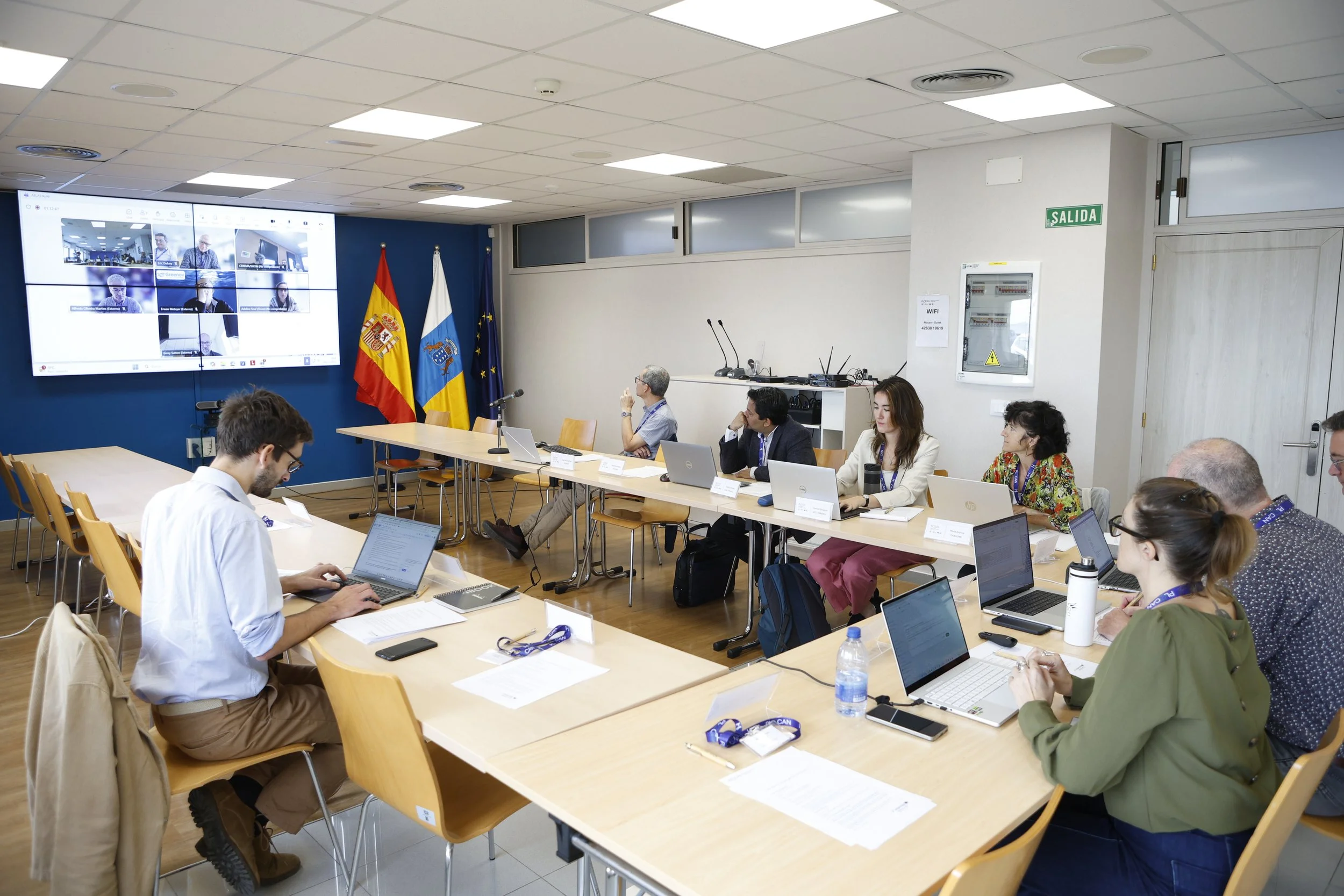
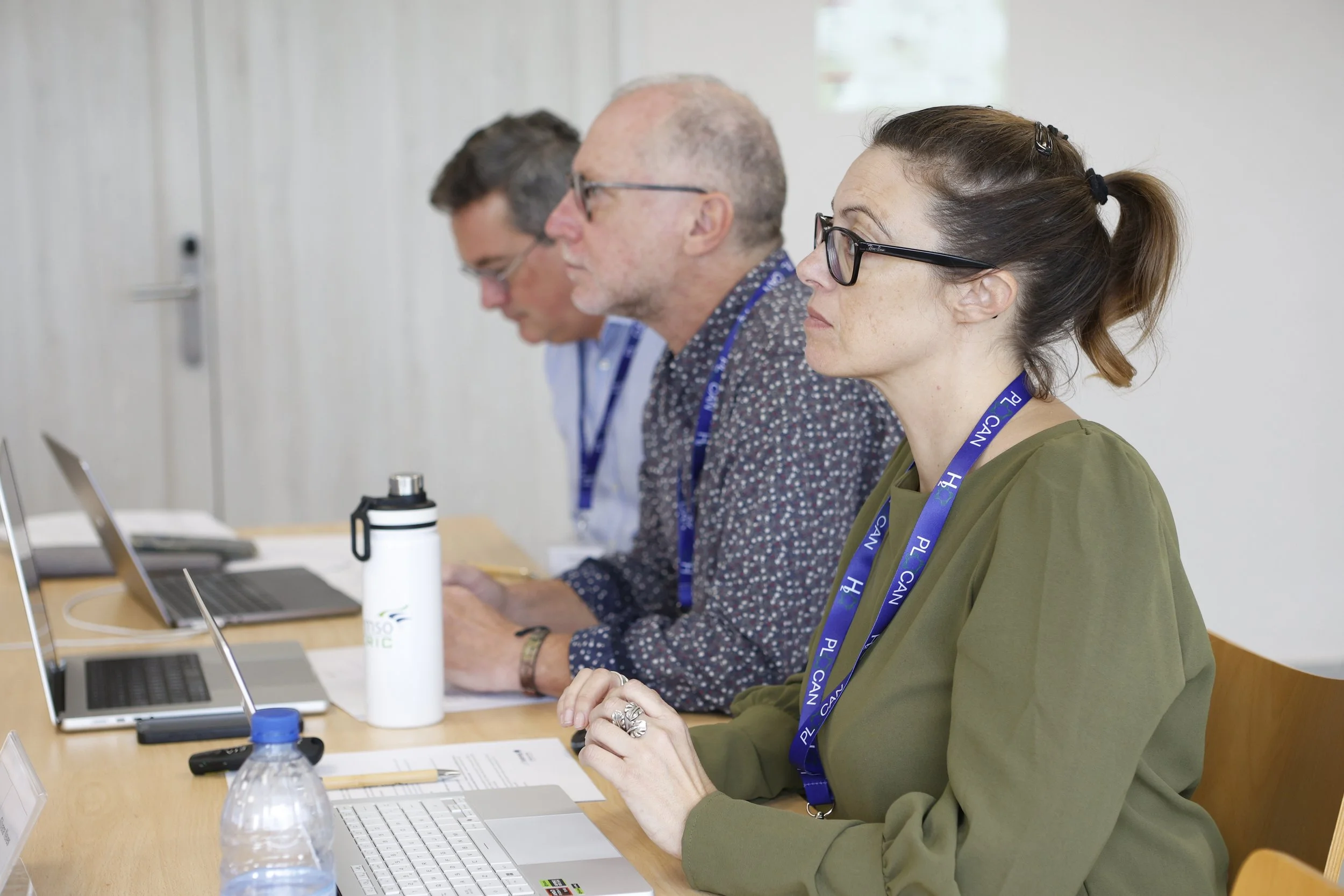
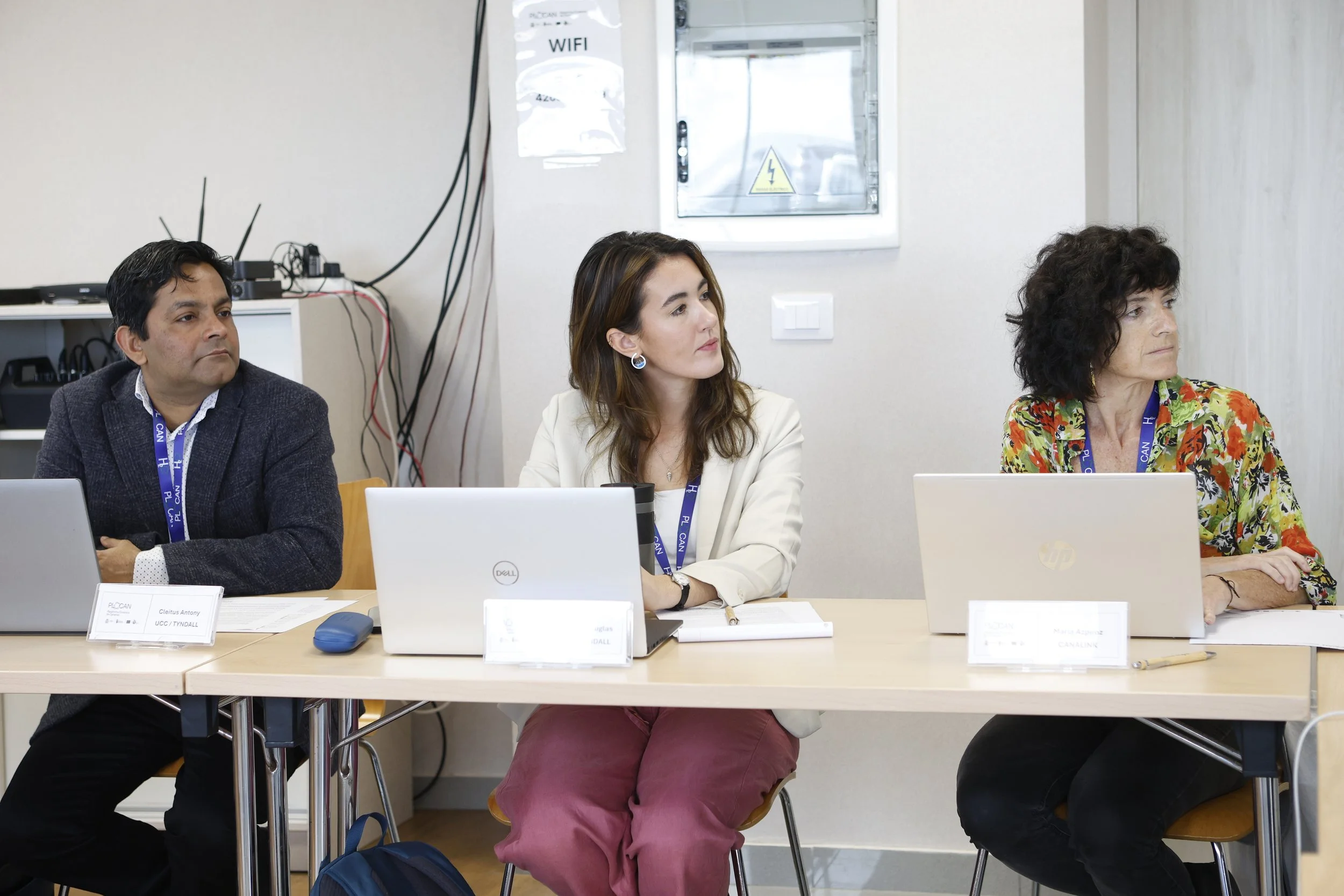
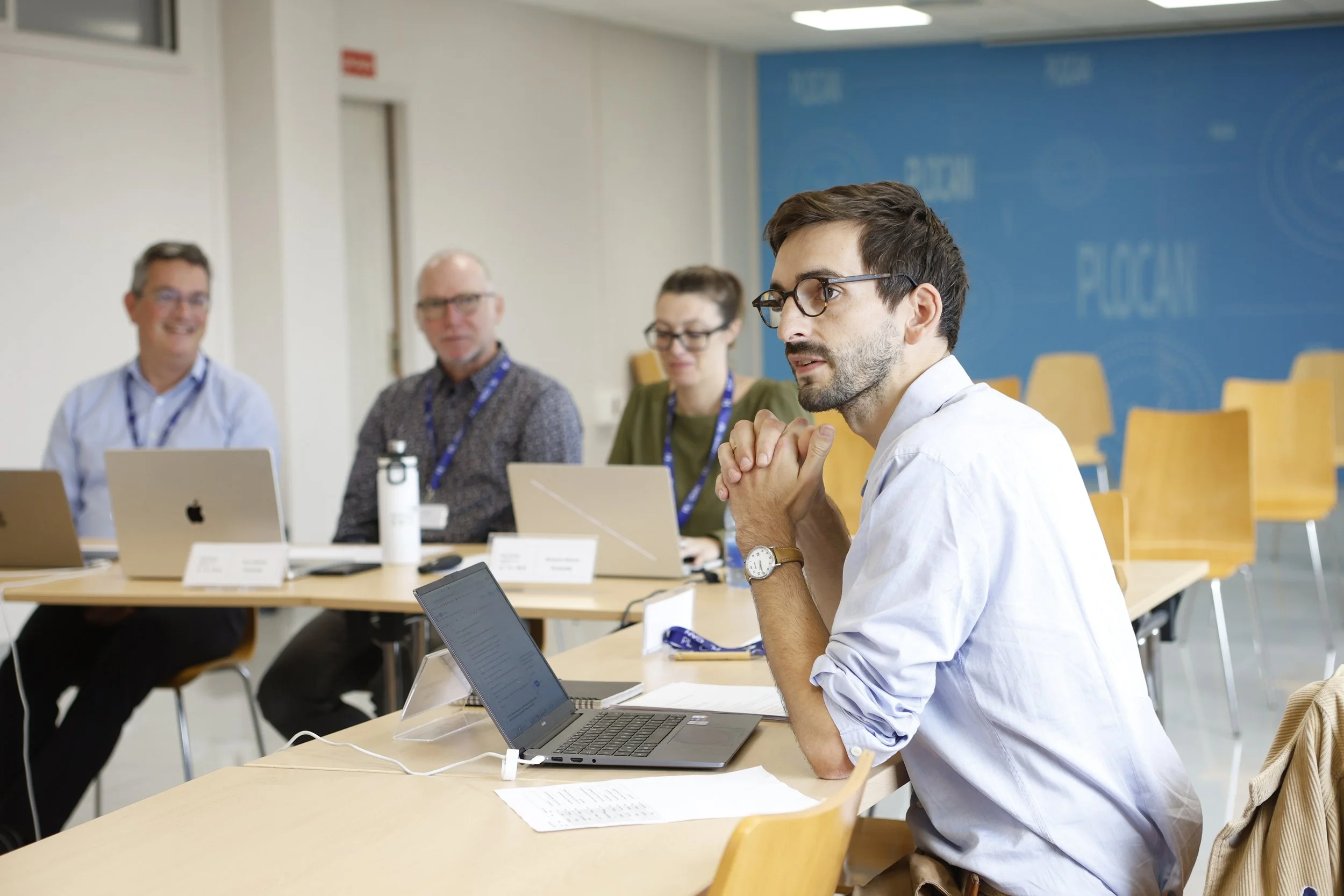
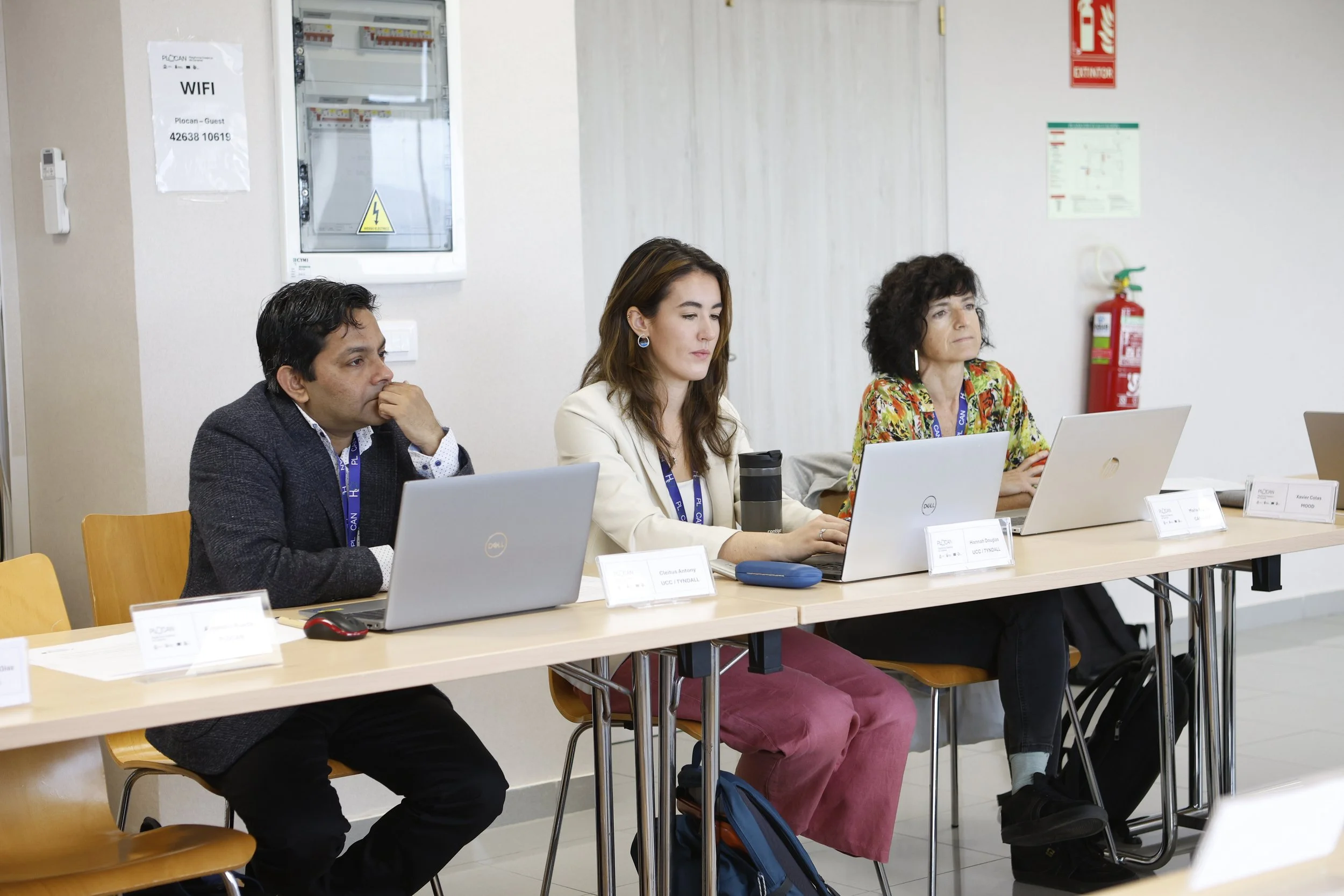
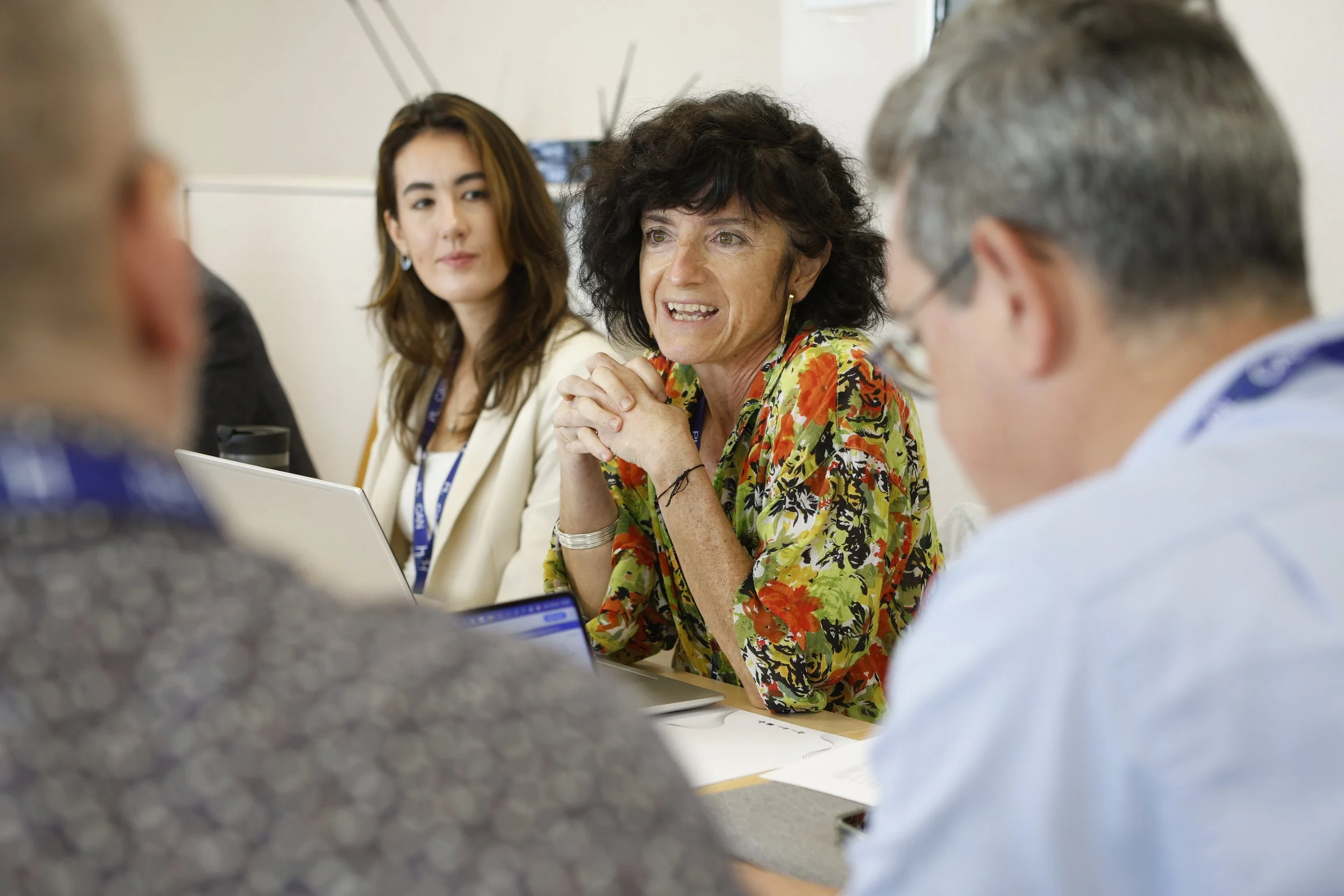
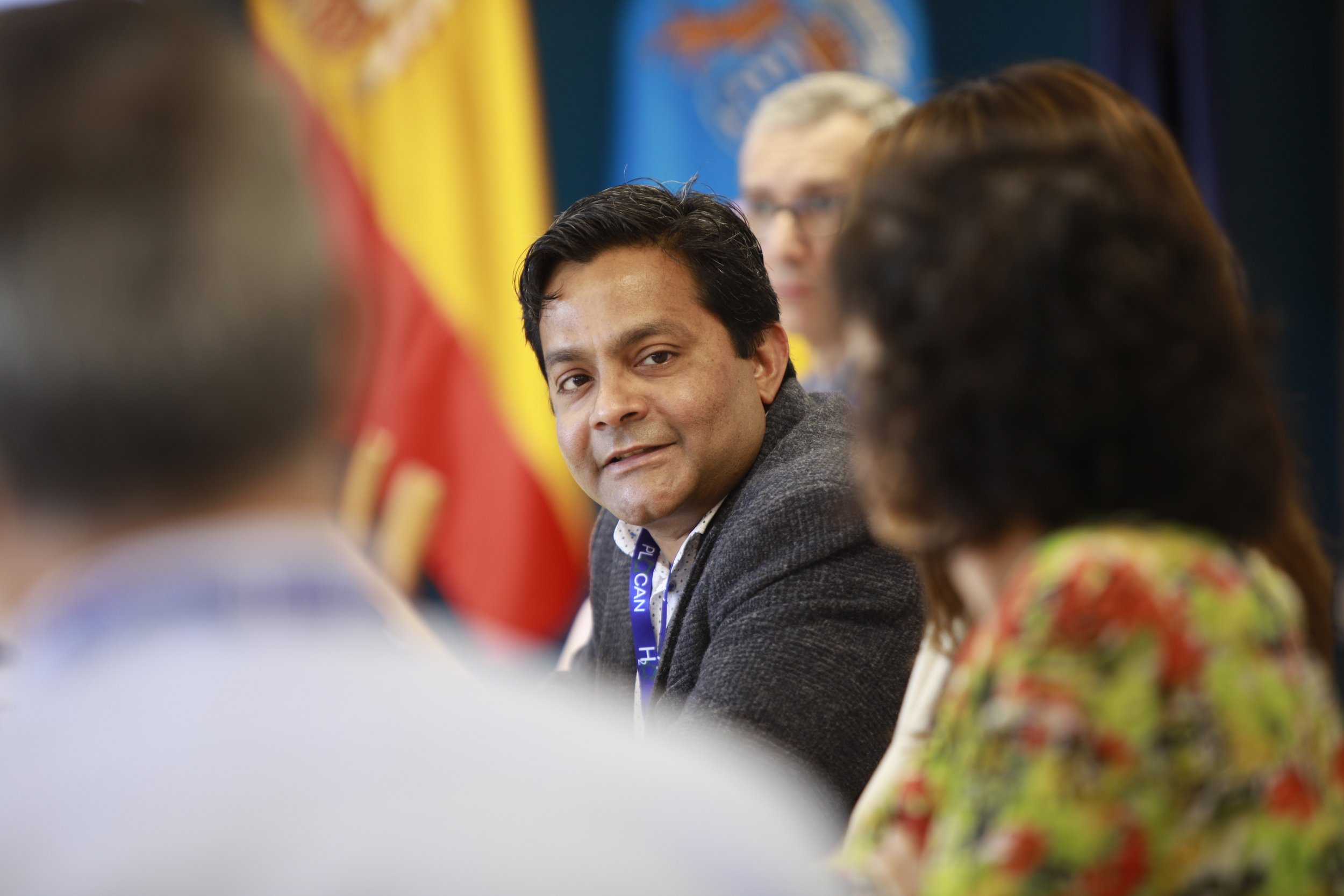
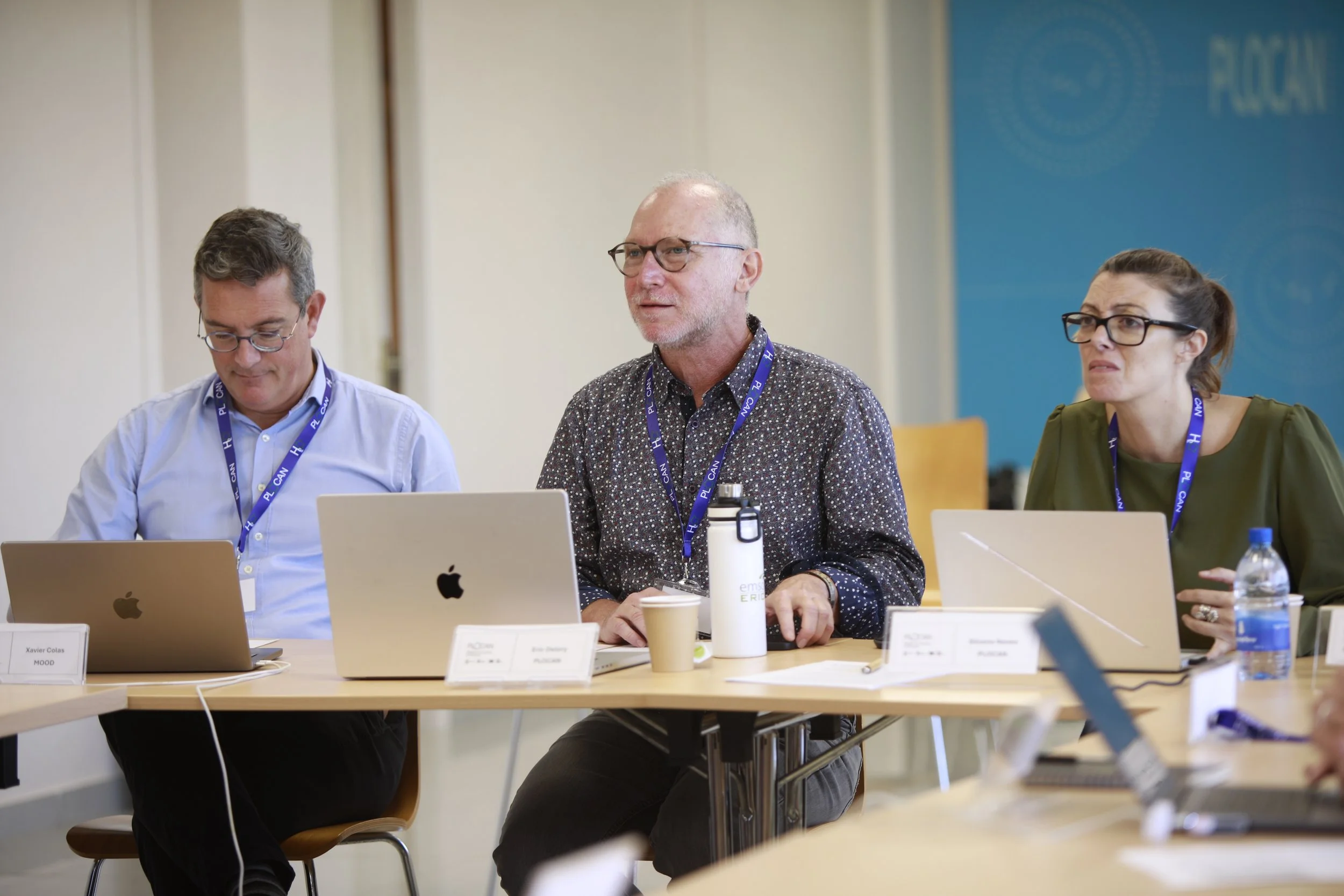
The Oceanic Platform of the Canary Islands (PLOCAN) in Taliarte hosted the Kick-off Meeting of the European project ATLAS (Atlantic Tracking with Lightwave Acoustic Sensing), bringing together partners from Spain, Ireland, Portugal, France and Norway. The consortium set out the roadmap for an initiative that aimed to use existing submarine telecommunications cables to monitor the Atlantic.
During the meeting, partners outlined the technical and scientific plan for ATLAS. The project sought to transform fibre-optic seabed cables into an extensive acoustic sensing network capable of detecting large cetaceans, mapping underwater noise and enhancing early-warning systems for earthquakes and other geological hazards.
Eric Delory, PLOCAN technologist and technical coordinator, highlighted that the originality of ATLAS lay in its use of existing infrastructure. “We relied on current submarine fibre-optic cables rather than installing new ones. By interrogating the cables from shore, we captured signals linked to seismic activity, underwater noise and the presence of cetaceans,” he explained. He added that the Distributed Acoustic Sensing (DAS) technology enabled new services for authorities, organisations and observation networks seeking real-time information on ocean conditions.
PLOCAN presented the Canary Islands as a pilot site, noting the combination of heavy maritime traffic, frequent cetacean presence and volcanic and seismic risks. These factors made the archipelago an ideal setting to test the technology and strengthen early-warning and coastal-protection capabilities.
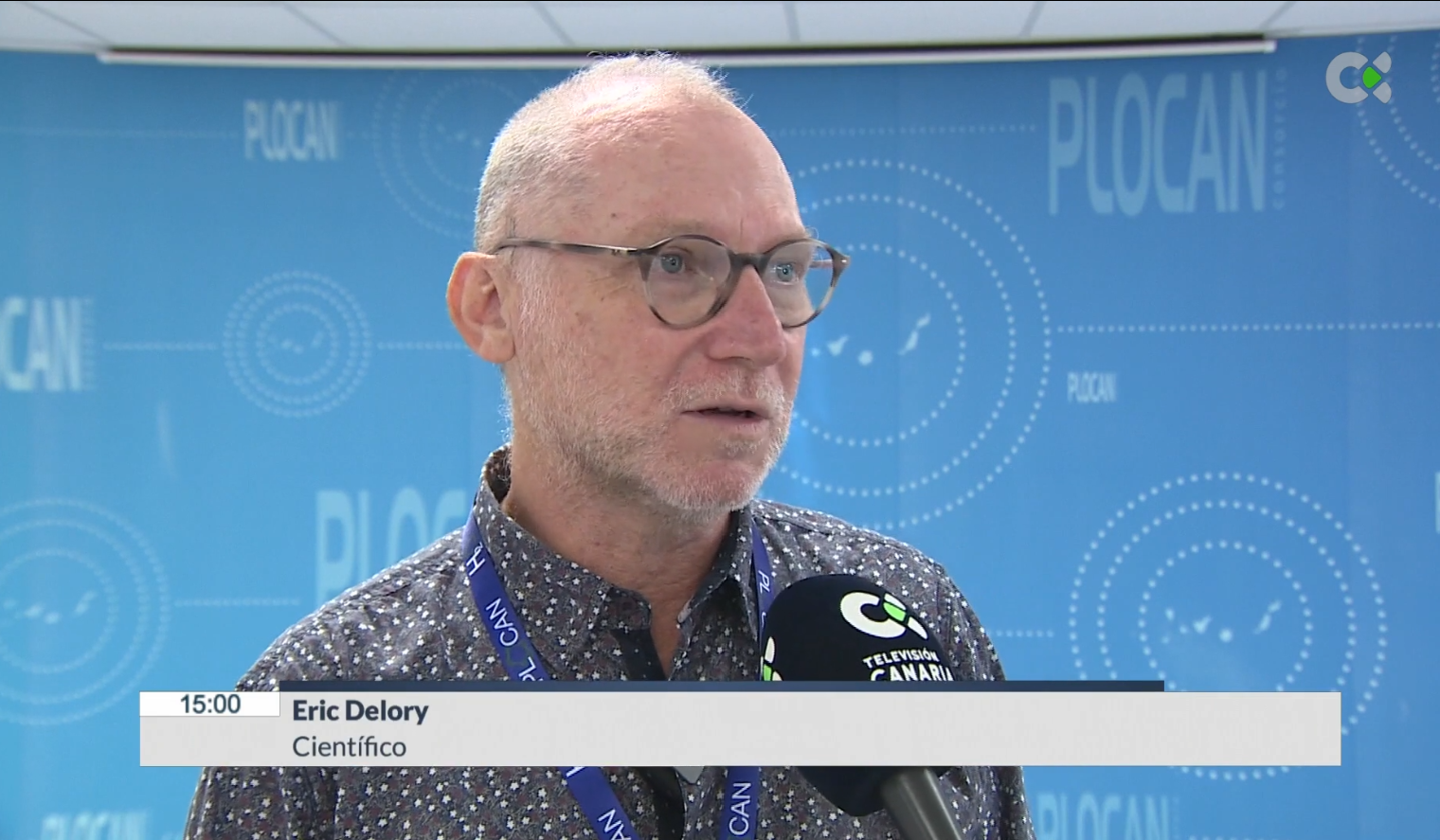
“In the Canary Islands we faced challenges such as vessel–cetacean collisions and the need for improved seismic monitoring. ATLAS allowed us to complement existing tools and move toward more continuous, cost-effective observation,” Delory noted.
The project benefited from the collaboration of Canarias Submarine Link (CANALINK), which provided access to regional cables between Gran Canaria and Tenerife, helping maintain system operations and expand regional monitoring capacity.
PLOCAN led a consortium combining fixed and mobile observing systems, e-infrastructures and extensive operational experience in the open ocean. Partners included CANALINK (Spain), University College Cork – MaREI (Ireland), INESCTEC (Portugal), GREENOV-ITES and MOOD Conseil (France), CEREMA, SHOM (France), and associated partners such as the Norwegian University of Science and Technology (NTNU) and EMSO ERIC’s central management office.
The project, funded through the Interreg Atlantic Area programme, ran until early 2028 with a budget of 3.4 million euros, 75% co-financed by the European Regional Development Fund. Key objectives included validating DAS systems in the Canary Islands, Portugal and Ireland, developing AI-assisted data-processing chains, and establishing near-real-time environmental monitoring services.
Throughout the sessions in Taliarte, partners advanced the design of experiments, integration of multi-source data (including DAS, hydrophones, autonomous gliders and AIS vessel traffic), and connections to European platforms such as EMODnet and the Copernicus Marine Service. These efforts ensured that ATLAS outcomes offered tangible benefits for coastal communities, maritime authorities, environmental organisations and the Atlantic scientific community.
Original article: PLOCAN.eu